Red Mulch: The Secret To Stunning Landscaping
Red Mulch: The Secret to Stunning Landscaping
Red mulch is a versatile landscaping material that can add a touch of elegance and sophistication to any outdoor space. Whether you're looking to create a formal garden or a more relaxed backyard oasis, red mulch can help you achieve the look you want.
In addition to its aesthetic appeal, red mulch also offers a number of practical benefits. It can help to suppress weeds, retain moisture, and improve the drainage of your soil. It can also help to extend the lifespan of your plants by protecting them from the elements.
If you're thinking about using red mulch in your landscaping, here are a few things you need to know:
- Choose the right type of red mulch. There are two main types of red mulch: dyed mulch and natural mulch. Dyed mulch is made from wood that has been dyed red, while natural mulch is made from materials such as cedar, pine, or cypress. Natural mulch is generally more expensive than dyed mulch, but it is also more environmentally friendly.
- Apply the mulch properly. Red mulch should be applied to a depth of 2-3 inches. If you apply it too thickly, it can suffocate your plants.
- Water the mulch regularly. Red mulch will help to retain moisture in your soil, but it is still important to water your plants regularly.
- Add a layer of compost to the mulch. Compost will help to improve the drainage of your soil and provide nutrients to your plants.
With proper care, red mulch can add beauty and functionality to your landscaping for years to come.
Here are some of the benefits of using red mulch in your landscaping:
- Adds color and visual interest. Red mulch is a vibrant color that can add a touch of elegance and sophistication to any outdoor space. It can also be used to create a pop of color in an otherwise neutral landscape.
- Suppresses weeds. Red mulch can help to suppress weeds by blocking out sunlight. This can save you time and money on weeding, and it can also help to improve the appearance of your landscaping.
- Retains moisture. Red mulch helps to retain moisture in the soil, which can help your plants to thrive. This is especially important in hot, dry climates.
- Improves drainage. Red mulch helps to improve the drainage of your soil, which can help to prevent waterlogged plants. This is especially important in areas with heavy rainfall.
- Protects plants from the elements. Red mulch can help to protect plants from the sun, wind, and rain. This can help to extend the lifespan of your plants and keep them looking their best.
If you're looking for a versatile and visually appealing landscaping material, red mulch is a great option. It offers a number of practical benefits, and it can help you to create a beautiful and inviting outdoor space.
Red mulch is a popular choice for landscaping because of its vibrant color and many benefits. It can add a touch of elegance and sophistication to any yard, and it also helps to improve the soil quality and moisture retention. If you're considering using red mulch in your landscaping, be sure to visit Garden Wiki for more information.
At Garden Wiki, you'll find a wealth of resources on red mulch landscaping, including:
- How to choose the right type of red mulch for your needs
- How to install red mulch properly
- How to care for red mulch
- Red mulch landscaping ideas
You'll also find a team of experienced professionals who can help you with all of your landscaping needs. Whether you're a DIYer or you're looking for a professional to do the work for you, Garden Wiki can help you create a beautiful and functional red mulch landscape.
FAQ of red mulch landscaping
- What are the benefits of using red mulch in landscaping?
Red mulch can offer a number of benefits for your landscaping, including:
Improved soil health: Red mulch helps to regulate soil temperature by keeping the soil cool in the summer and warm in the winter. This can help to promote healthy root growth and reduce the risk of plant stress.
Weed suppression: Red mulch provides an effective barrier against weeds by blocking sunlight from reaching the soil surface. This can help to reduce the amount of time you spend weeding and keep your landscape looking neat and tidy.
Moisture retention: Red mulch helps to retain moisture in the soil, which can help to reduce the frequency of watering and prevent soil erosion. This can be especially beneficial in areas with hot, dry summers.
Pest control: Some types of red mulch, such as cedar and cypress, contain natural oils that repel pests like mosquitoes, ticks, and fleas. This can help to create a more pest-free environment for your family and pets.
Aesthetic appeal: Red mulch can add a touch of color and interest to your landscape. It can also be used to create a variety of design effects, such as borders, walkways, and patios.
What are the different types of red mulch?
The most common type of red mulch is made from shredded cedar bark. Cedar mulch is naturally resistant to pests and decay, making it a good choice for long-term use. Other types of red mulch include shredded rubber, pine bark, and hardwood bark.
- How much red mulch do I need?
The amount of red mulch you need will depend on the size of the area you are mulching. A general rule of thumb is to apply 2-3 inches of mulch around plants. For larger areas, you may need to apply more mulch.
- How do I apply red mulch?
To apply red mulch, start by clearing the area of weeds and debris. Then, spread the mulch evenly around the plants, leaving a 2-3 inch space between the mulch and the stems of the plants. Rake the mulch smooth to create a finished look.
- How often do I need to reapply red mulch?
Red mulch will eventually decompose and need to be replaced. The frequency of replacement will depend on the type of mulch you use and the amount of foot traffic in the area. Cedar mulch, for example, can last for several years without needing to be replaced. Other types of mulch, such as pine bark, may need to be replaced more often.
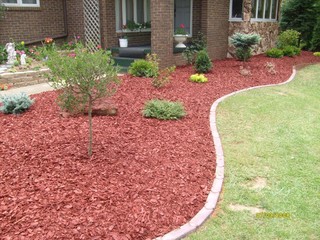
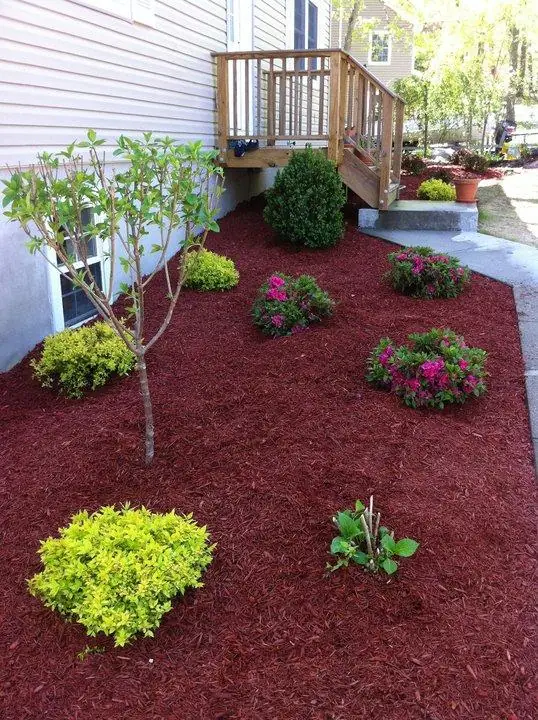
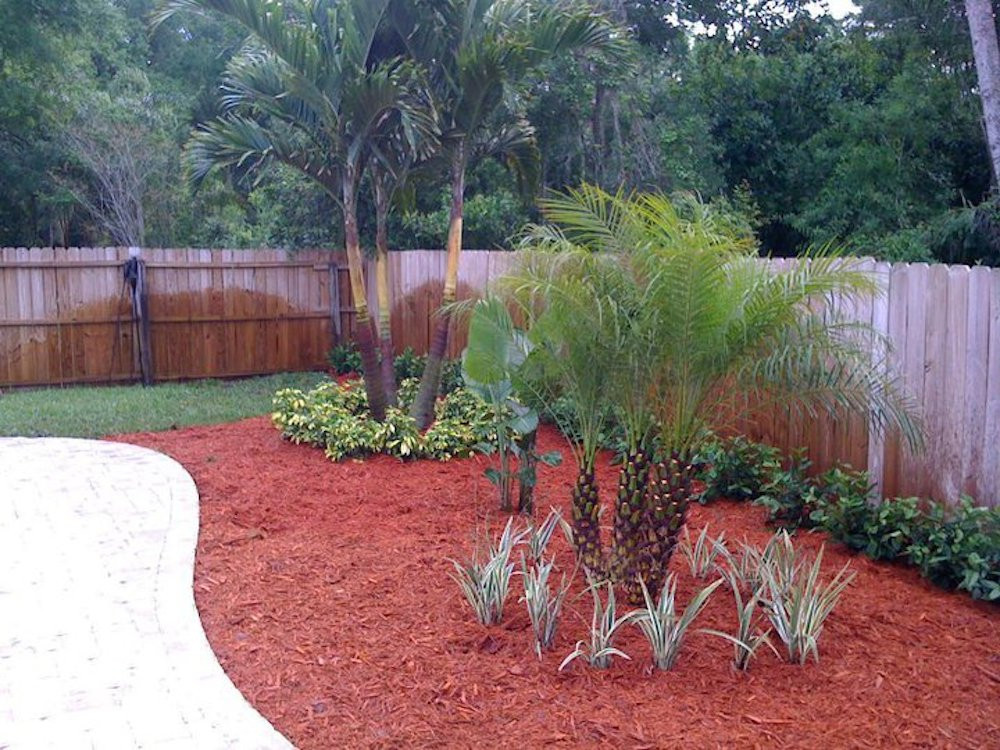
Image of red mulch landscaping
- A bed of red mulch surrounding a tree. The mulch helps to retain moisture in the soil and suppress weeds, and it also provides a pop of color against the green leaves of the tree.

- A walkway lined with red mulch. The mulch helps to define the walkway and makes it stand out from the surrounding landscape.
- A flower bed edged with red mulch. The mulch helps to keep the flowers tidy and free of weeds.
- A vegetable garden surrounded by red mulch. The mulch helps to keep the soil moist and warm, and it also helps to suppress weeds.
- A patio with a fire pit surrounded by red mulch. The mulch helps to create a sense of warmth and coziness around the fire pit.


Post a Comment for "Red Mulch: The Secret To Stunning Landscaping"