Easy Steps To Start A Raised Bed Vegetable Garden For Beginners
Title: Easy Steps to Start a Raised Bed Vegetable Garden for Beginners
Introduction:
Growing your own vegetables is a rewarding experience, but it can be daunting for beginners. Raised bed gardens are a great option for first-time gardeners because they are easy to set up and maintain. They also offer a number of benefits over traditional gardens, such as improved drainage, better soil quality, and reduced weed growth.
In this blog post, we will walk you through the easy steps on how to start a raised bed vegetable garden for beginners. We will cover everything from choosing a location to planting your seeds. By the end of this post, you will have all the information you need to get started on your own successful vegetable garden.
Main Content:
1. Choose a location
The first step is to choose a location for your raised bed garden. It should be in a sunny spot that receives at least 6 hours of sunlight per day. The soil should also be well-drained. If your soil is poor, you may need to amend it with compost or other organic matter.
2. Build the raised bed
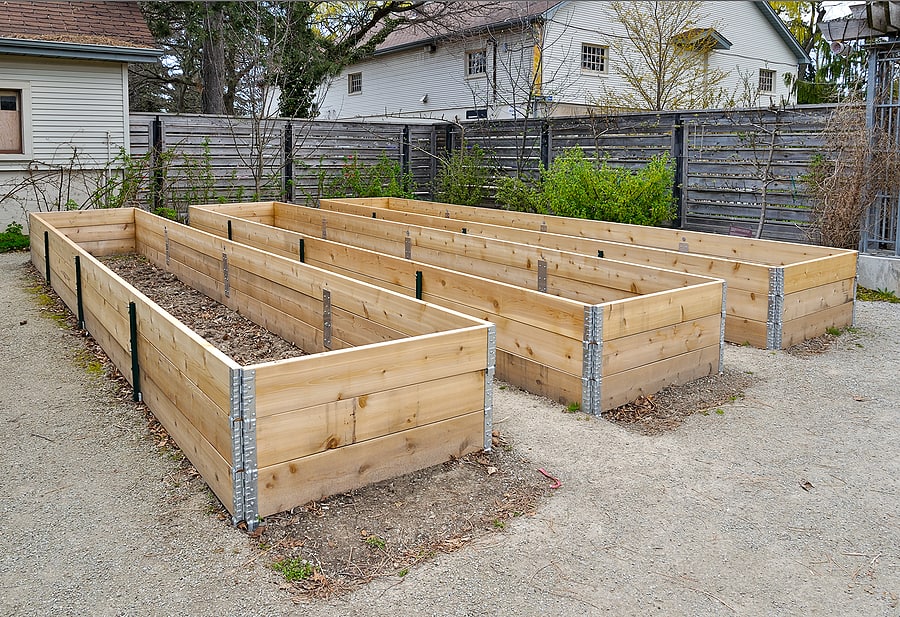
Once you have chosen a location, you can start building your raised bed. The size and shape of your bed will depend on your needs and space constraints. However, a good rule of thumb is to make each bed at least 4 feet wide so that you can reach the center of the bed without stepping on the soil. The height of the bed should be at least 6 inches so that you can easily reach over the sides to weed and harvest your plants.
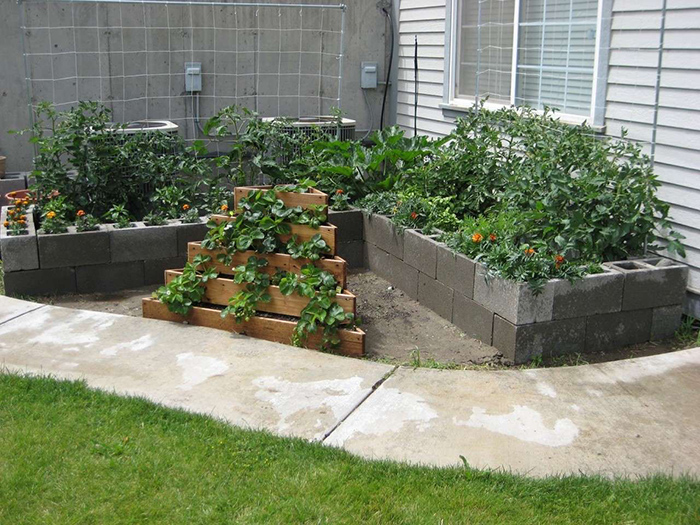
There are many different materials that you can use to build your raised bed, such as wood, bricks, or concrete blocks. If you are using wood, be sure to use pressure-treated lumber to prevent rot.
3. Fill the raised bed
Once your raised bed is built, you can start filling it with soil. A good quality potting mix or garden soil will work well. You may also want to add some compost or other organic matter to improve the drainage and fertility of the soil.
4. Plant your seeds or seedlings
Once the bed is filled with soil, you can start planting your seeds or seedlings. Be sure to follow the planting instructions that come with your seeds or seedlings.
5. Water and fertilize your plants
Your plants will need regular watering and fertilizing to thrive. Water your plants deeply and infrequently. Fertilize your plants every few weeks with a balanced fertilizer.
6. Weed and protect your plants
Weeds can quickly take over a raised bed garden, so it is important to weed regularly. You can also protect your plants from pests and diseases by using organic pest control methods.
7. Harvest your vegetables
Once your vegetables are mature, you can start harvesting them. Be sure to harvest them when they are ripe for the best flavor and nutrition.
Conclusion:
Starting a raised bed vegetable garden is a great way to enjoy fresh, homegrown vegetables. By following these easy steps, you can have a successful vegetable garden in no time.
If you're a beginner gardener looking to start a raised bed vegetable garden, Home Gardening is a great resource. They have a comprehensive guide on everything you need to know, from choosing the right location and materials for your bed to planting, watering, and harvesting your crops.
The guide includes detailed instructions, helpful tips, and photos to illustrate each step. It also covers a variety of topics, such as:
- The benefits of raised bed gardening
- How to choose the right size and location for your bed
- What materials to use for your bed
- How to prepare the soil for your bed
- What vegetables to grow in your bed
- How to plant, water, and fertilize your crops
- How to deal with pests and diseases
FAQ of raised bed vegetable gardening for beginners
Here are some of the most frequently asked questions about raised bed vegetable gardening for beginners, along with valuable insights and solutions:
- What are the benefits of raised bed gardening?
There are many benefits to raised bed gardening, especially for beginners. Raised beds are easier to weed and maintain than traditional in-ground gardens. They also allow you to control the soil quality, which is important for growing healthy vegetables. Additionally, raised beds can be located in any sunny spot, regardless of the quality of the underlying soil.
- What size raised bed should I build?
The size of your raised bed will depend on the amount of space you have available and the number of vegetables you want to grow. A good starting size for a beginner is a 4x4 foot bed. This size is easy to manage and can accommodate a variety of vegetables.
- What type of soil should I use in my raised bed?
The best soil for raised bed gardening is a well-draining, nutrient-rich mix. You can buy pre-made potting soil or mix your own. If you mix your own soil, be sure to include compost, peat moss, and sand.
- What vegetables are best for raised bed gardening?
There are many vegetables that are well-suited for raised bed gardening. Some of the easiest vegetables to grow in raised beds include:
* Radishes
* Carrots
* Lettuce
* Spinach
* Tomatoes
* Cucumbers
* Beans
* Peas
* Peppers
- How do I plant my vegetables in a raised bed?
When planting your vegetables in a raised bed, be sure to follow the spacing recommendations on the seed packet. You should also water your plants regularly, especially during hot, dry weather.
- How do I care for my raised bed vegetable garden?
In addition to watering your plants regularly, you will also need to weed your garden and add compost or other organic matter to the soil throughout the growing season. You may also need to fertilize your plants, depending on the type of vegetables you are growing.
- When should I harvest my vegetables?
The harvest time for vegetables will vary depending on the type of vegetable you are growing. Be sure to check the seed packet for specific harvest instructions.
Image of raised bed vegetable gardening for beginners
- A raised bed garden made from wood planks. This is a simple and straightforward way to build a raised bed. The wood planks can be untreated or treated, depending on your preference.
- A raised bed garden made from old tires. This is a creative and environmentally friendly way to build a raised bed. Old tires can be stacked on top of each other, or they can be buried in the ground.

- A raised bed garden made from bricks. This is a more permanent way to build a raised bed. Bricks can be stacked on top of each other, or they can be mortared together.

- A raised bed garden made from concrete blocks. This is another more permanent way to build a raised bed. Concrete blocks can be stacked on top of each other, or they can be mortared together.
- A raised bed garden made from a shipping pallet. This is a quick and easy way to build a raised bed. Shipping pallets can be stacked on top of each other, or they can be cut to size.
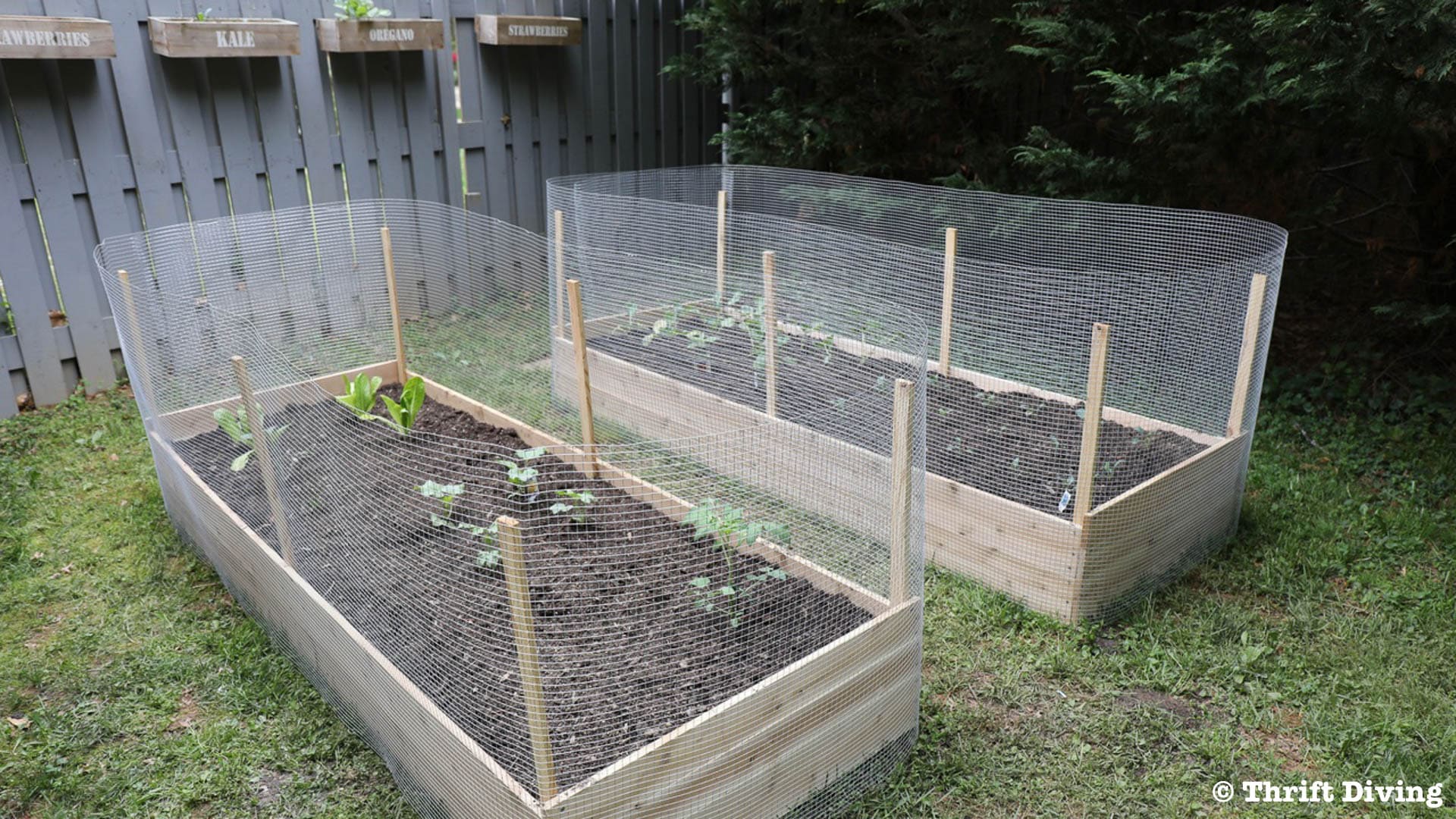
- A raised bed garden made from chicken wire. This is a unique and versatile way to build a raised bed. Chicken wire can be used to create a variety of shapes and sizes.
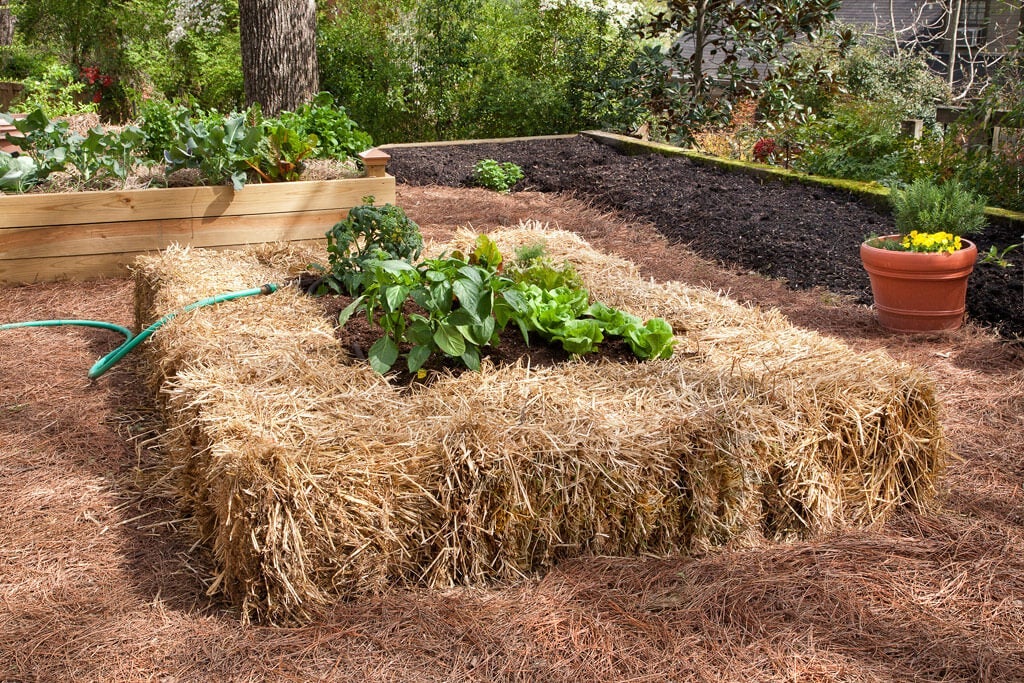
- A raised bed garden made from straw bales. This is a sustainable and low-cost way to build a raised bed. Straw bales can be stacked on top of each other, or they can be filled with soil.
- A raised bed garden made from logs. This is a rustic and natural way to build a raised bed. Logs can be stacked on top of each other, or they can be buried in the ground.
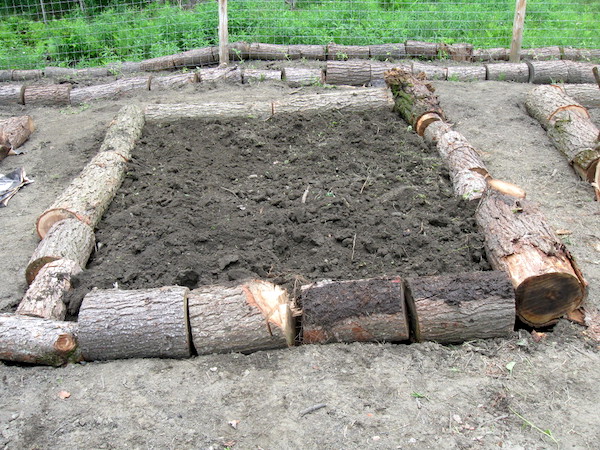
- A raised bed garden made from a combination of materials. This is a great way to get creative and use what you have on hand. You can combine wood, bricks, concrete blocks, shipping pallets, chicken wire, straw bales, or logs to create a unique raised bed.
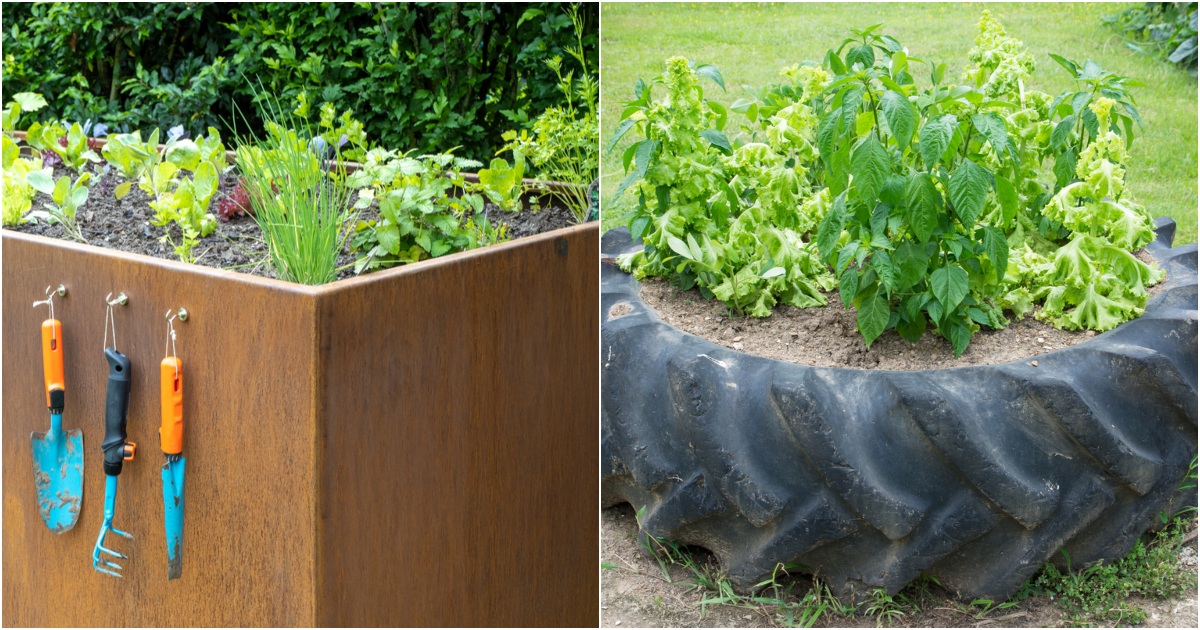
- A raised bed garden with a variety of vegetables. This is a great way to show off your gardening skills and enjoy fresh, homegrown vegetables. You can grow a variety of vegetables in a raised bed, including tomatoes, peppers, cucumbers, zucchini, carrots, lettuce, spinach, and herbs.


Post a Comment for " Easy Steps To Start A Raised Bed Vegetable Garden For Beginners"